
The evolution of gambling A historical perspective on chance and choice
The Origins of Gambling
The history of gambling dates back thousands of years, with its origins rooted in ancient civilizations. Evidence suggests that the practice began with simple games of chance, such as dice and betting on the outcomes of various events. Archaeological discoveries have revealed that the earliest known dice, made from animal bones, were used in ancient Mesopotamia around 3000 BC, highlighting humanity’s long-standing fascination with luck and fortune. Today, many are exploring bitcoin online casinos for a modern twist on these ancient practices.
As societies evolved, so did their gambling practices. Ancient Egyptians were known to engage in betting on games and sporting events, while the Romans developed more structured forms of gambling, including betting on gladiatorial contests. These early forms of gambling laid the groundwork for the complex systems and games that would emerge in later centuries.
The Rise of Organized Gambling
The Middle Ages saw the rise of organized gambling as a significant cultural activity in Europe. Public gambling establishments began to emerge, particularly in Italy and France, where games like roulette and poker gained popularity. The establishment of betting houses made it easier for people to participate in gambling, and these venues became social hubs for communities.
During this time, the concept of chance became more intertwined with strategy, as players sought to develop methods to increase their odds. This shift in perspective towards gambling indicated a growing understanding of probability and risk, paving the way for the modern gambling practices we see today.
The Impact of Technology on Gambling
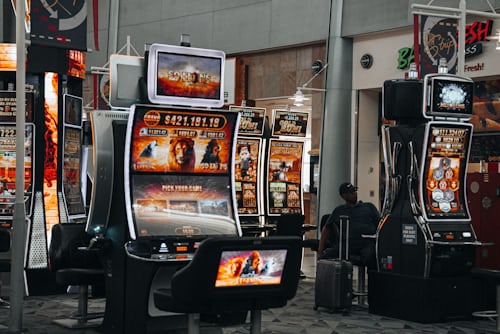
The Industrial Revolution marked a pivotal change in the gambling landscape, as advancements in technology introduced new gaming options. The invention of the mechanical slot machine in the late 19th century revolutionized the gambling experience, offering players a chance to win without the need for skills or strategies. These machines quickly became a staple in bars and saloons across the United States.
With the advent of the internet in the late 20th century, gambling underwent a dramatic transformation. Online casinos emerged, providing players with unprecedented access to a wide array of games from the comfort of their homes. This digital shift not only expanded the audience for gambling but also introduced new forms of gameplay, including live dealer games and mobile betting, further enhancing the experience of chance and choice.
The Modern Gambling Landscape
Today, the gambling industry is more diverse and complex than ever before, featuring everything from traditional casinos to online platforms and cryptocurrency gambling. The introduction of blockchain technology has opened up new avenues for anonymous and secure gambling experiences, allowing players to engage in games without the need for extensive personal information.
Furthermore, regulatory changes in various countries have led to the legalization and expansion of online gambling, creating a global marketplace that caters to a wide range of preferences. Players can now enjoy various games, whether they prefer the thrill of chance in slot machines or the strategy involved in poker, all while benefiting from enhanced security measures that prioritize their privacy.

Your Guide to Exploring Gambling Today
As the landscape of gambling continues to evolve, finding the right platform can significantly enhance the gaming experience. Various websites provide in-depth reviews and comparisons of online casinos, helping players make informed choices based on factors such as game selection, user experience, and security measures.
Whether you are a seasoned gambler or new to the world of chance and choice, these resources are invaluable for navigating the modern gambling environment. With an emphasis on user experience and player safety, you can explore numerous options tailored to your preferences, ensuring a thrilling and secure gambling adventure.